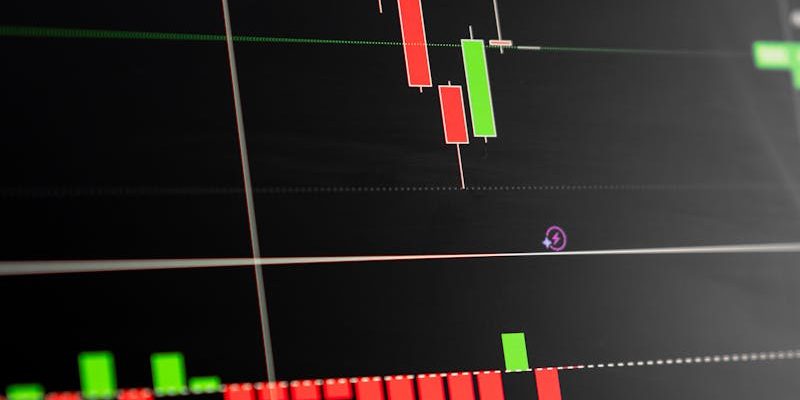
How to Identify a Shooting Star
• Small body at the lower end: The real body is small and positioned in the bottom third of the candle's total range. The body color can be red or green, though a red body provides slightly stronger bearish confirmation.
• Long upper shadow at least 2x the body: The upper wick must be at least twice the height of the body. This shadow shows that buyers pushed price significantly higher during the session but were overwhelmed by sellers who drove it back down. The longer the upper shadow, the more bearish the signal.
• Little or no lower shadow: There should be minimal wick below the body. A significant lower shadow would weaken the pattern and might classify it as a different formation like a Spinning Top or High Wave candle.
• Appears at the top of an uptrend: The Shooting Star only qualifies as a bearish reversal signal when it forms after at least three to four consecutive rising candles. The same shape at the bottom of a downtrend is called an Inverted Hammer and is actually a bullish signal.
How to Trade the Shooting Star
Entry
Enter short below the Shooting Star's low on the next candle. Wait for the confirmation candle to close below the Shooting Star's body. A gap down on the next open provides strong additional confirmation.
Stop-Loss
Place your stop above the Shooting Star's high (the top of the upper shadow). This is the level where the highest buying pressure was rejected. Add a small buffer of 1-2% above the wick tip.
Target
Target the nearest support level below. The prior swing low before the uptrend started makes an excellent target. Use a minimum 1:2 risk-to-reward ratio for trade qualification.
Success Rate
The Shooting Star achieves roughly a 59% success rate when appearing at the top of a defined uptrend. Success increases significantly when the pattern forms at a known resistance level and is accompanied by above-average volume. The pattern is most reliable on daily charts and performs best when the upper shadow is at least three times the body length. Always wait for confirmation from the next candle before entering, as an unconfirmed Shooting Star can easily be absorbed by continued buying.
Frequently Asked Questions
Related Patterns
Related Tools & Guides
Part of our Technical Analysis Guide