Bull vs Bear Markets: How to Adapt Your Strategy
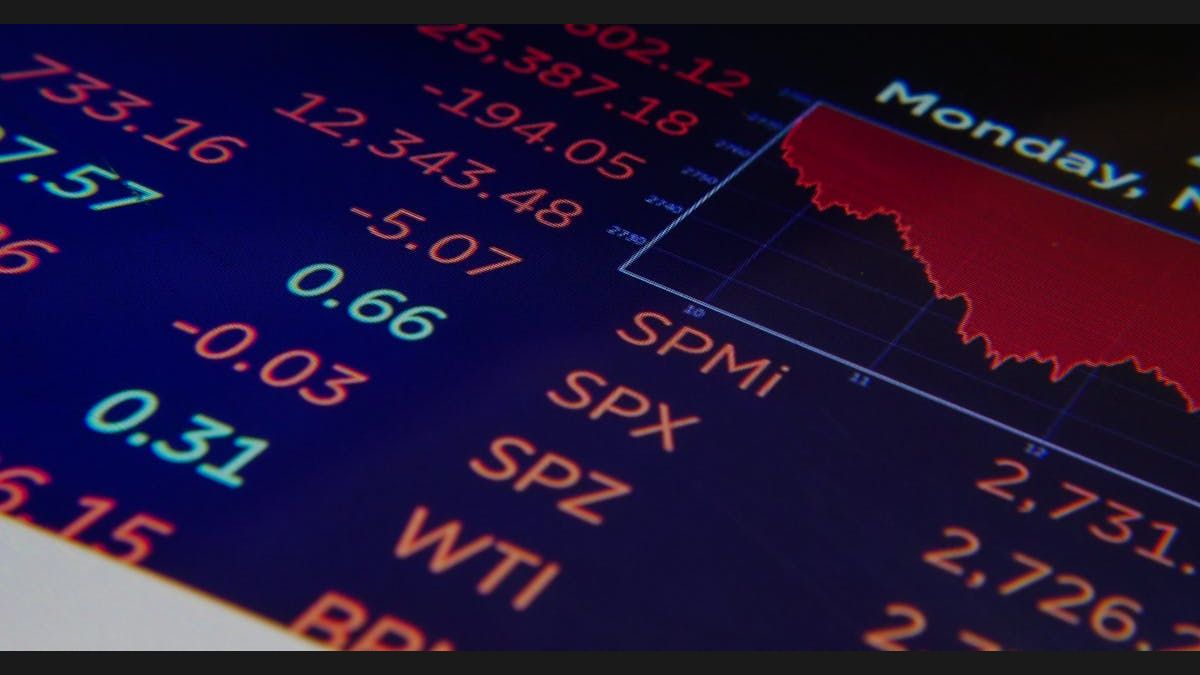
Markets move in cycles. Understanding whether you are in a bull or bear market changes how you should trade, what risks you should take, and how you allocate capital. Many traders use the same strategy regardless of market conditions and wonder why their results are inconsistent.
Definitions
The standard definitions used by Wall Street:
- Bull market: A rise of 20% or more from a recent low, sustained over time. Characterized by optimism, rising prices, and investor confidence.
- Bear market: A decline of 20% or more from a recent high. Characterized by pessimism, falling prices, and risk aversion.
- Correction: A decline of 10-20%. Common within bull markets and not necessarily the start of a bear market.
Historical Examples
| Period | Type | S&P 500 Change | Duration |
|---|---|---|---|
| 2007-2009 | Bear (Financial Crisis) | -56.8% | 17 months |
| 2009-2020 | Bull | +400% | 11 years |
| Feb-Mar 2020 | Bear (COVID) | -33.9% | 33 days |
| 2020-2022 | Bull | +114% | 21 months |
| Jan-Oct 2022 | Bear (Inflation/Rates) | -25.4% | 10 months |
On average, bull markets last about 4.4 years with an average gain of 155%. Bear markets last about 11.3 months with an average loss of 33%. The math favors long-term investors. Markets spend far more time going up than going down.
How to Identify the Current Market
There is no bell that rings at the start of a bull or bear market. But several indicators help you assess conditions:
- 200-day moving average: When the S&P 500 is above its 200-day MA, the market is generally bullish. Below it suggests bearish conditions.
- Market breadth: In a healthy bull market, most stocks are rising. If only a handful of stocks are driving gains while the majority decline, the rally is fragile.
- VIX level: The VIX below 15 indicates complacency (typical in bull markets). Above 25 indicates elevated fear (common in bear markets).
- New highs vs new lows: More stocks hitting 52-week highs than lows confirms bullish strength. The reverse signals weakness.
Strategies for Bull Markets
Follow the Trend
In a bull market, the trend is your friend. Buy pullbacks to support levels, moving averages, or reversal patterns. The odds favor continuation over reversal.
Increase Position Size Slightly
When the market is trending in your favor, you can afford to be slightly more aggressive with position sizing. Moving from 1% risk per trade to 1.5% is reasonable in a strong bull market. Never abandon risk management entirely.
Let Winners Run
The biggest bull market mistake is selling winners too early. Use trailing stops instead of fixed profit targets. A stock that is trending up in a bull market can run much further than you expect.
Stay Invested
Trying to time corrections within a bull market usually costs you more than the correction itself. Missing the 10 best days in a decade typically cuts your returns in half.
Strategies for Bear Markets
Reduce Position Size
This is the single most important adjustment. Cut your risk per trade from 1-2% down to 0.5-1%. Bear markets are volatile and unpredictable. Smaller positions keep you alive. Use the Position Size Calculator to recalibrate.
Focus on Quality
If you are buying in a bear market, stick to companies with strong balance sheets, low debt, and consistent earnings. Speculative stocks get crushed hardest in downturns.
Use Wider Stops
Bear markets have larger intraday swings. A stop that works in a calm market will get triggered repeatedly in a bear market. Widen your stops and reduce your position size to compensate. The Stop-Loss Calculator can help you find the right balance.
Consider Defensive Sectors
Utilities, healthcare, and consumer staples tend to fall less in bear markets. Rotating into defensive sectors can reduce your portfolio's drawdown.
Build a Cash Position
There is nothing wrong with sitting in cash during a bear market. Cash gives you the ability to buy aggressively when the market bottoms. Many of the best buying opportunities in history came at the end of bear markets.
Common Mistakes in Each Phase
Bull Market Mistakes
- Confusing a bull market with personal skill. Everyone looks like a genius in a rising market.
- Ignoring risk management because everything keeps going up.
- Using excessive leverage or margin.
- Buying low-quality speculative stocks because momentum is carrying everything higher.
Bear Market Mistakes
- Panic selling at the bottom after holding through most of the decline.
- Averaging down on falling stocks without a clear thesis for recovery.
- Trying to call the exact bottom. Nobody can do this consistently.
- Abandoning your long-term investment plan due to short-term fear.
How to Stay Disciplined
The best defense against emotional decision-making is a written trading plan that accounts for both market conditions. Before the market gets volatile, decide:
- At what level will you reduce position sizes?
- What percentage decline triggers a move to cash?
- How will you identify the shift from bear back to bull?
Having these rules written down before you need them removes emotion from the equation. Review your plan quarterly and after any major market shift.
The Bottom Line
Bull and bear markets are inevitable parts of investing. You cannot avoid them, but you can prepare for them. The key is not predicting which phase comes next but adjusting your strategy to match the current environment. Trade aggressively when conditions favor it. Protect capital when they do not. The investors who survive bear markets are the ones who profit most from the next bull market.