What Is Stock Market Volatility and How to Manage It
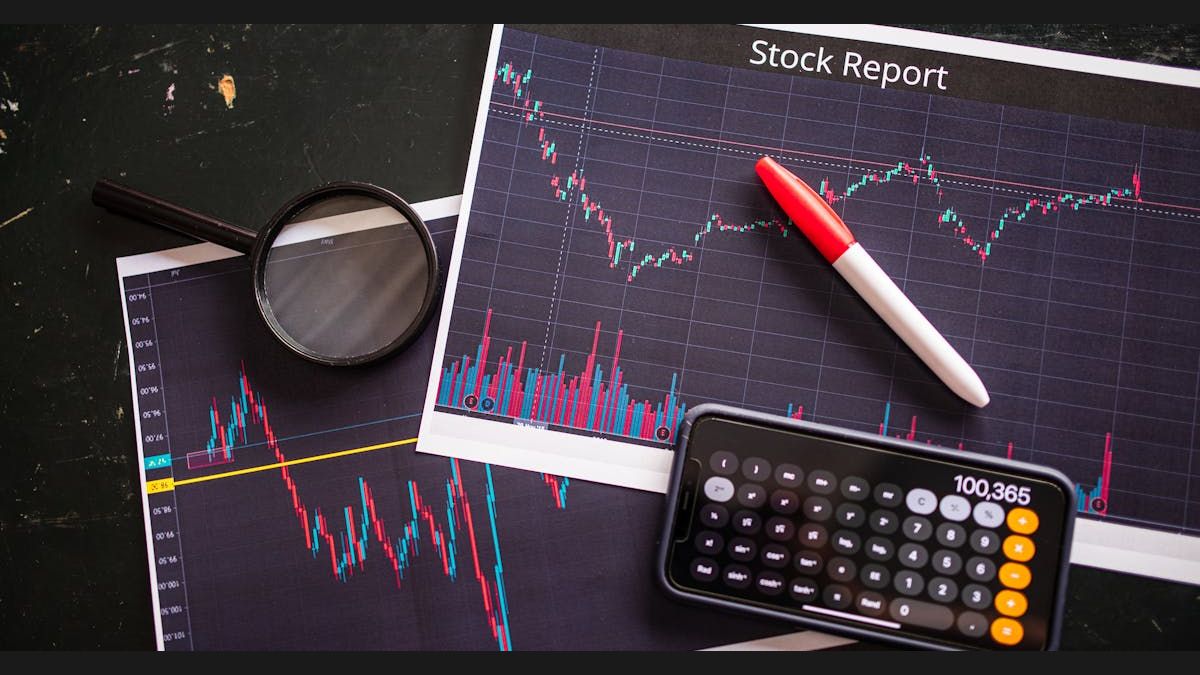
Volatility scares most investors, but it is not inherently bad. Volatility is simply the speed and magnitude of price changes. It creates risk, but it also creates opportunity. The traders who understand volatility and adjust for it consistently outperform those who ignore it.
What Is Volatility?
In financial terms, volatility measures how much a security's price fluctuates over a given period. A stock that moves 0.5% per day is low volatility. A stock that swings 3-5% per day is high volatility. Neither is inherently good or bad. They just require different approaches.
Volatility is typically measured in two ways:
- Historical volatility: Calculated from past price data using standard deviation. It tells you how much the price actually moved.
- Implied volatility: Derived from options prices. It tells you how much the market expects the price to move in the future.
The VIX: Wall Street's Fear Gauge
The VIX (CBOE Volatility Index) measures the market's expectation of 30-day volatility for the S&P 500. It is often called the "fear gauge" because it spikes during market sell-offs.
| VIX Level | Market Mood | What It Means |
|---|---|---|
| Below 12 | Extreme calm | Very low fear, sometimes complacency. Can precede sharp reversals. |
| 12-15 | Calm | Normal bull market conditions. Steady uptrends. |
| 15-20 | Normal | Typical market conditions. Moderate daily swings. |
| 20-25 | Elevated | Increased uncertainty. Wider daily ranges. Caution warranted. |
| 25-30 | High fear | Significant market stress. Consider reducing exposure. |
| Above 30 | Panic | Crisis-level fear. Major sell-offs. Historically, good time to buy for long-term investors. |
During the COVID crash in March 2020, the VIX hit 82.69. During the 2008 financial crisis, it reached 80.86. These extreme readings are rare but they mark periods of maximum fear and, historically, excellent long-term buying opportunities.
Why Volatility Is Not Always Bad
Volatility is what creates trading opportunities. Without price movement, there is no profit potential. Consider these perspectives:
- For long-term investors: Volatility is noise. A stock that drops 15% in a month but recovers within a year created a buying opportunity, not a loss (unless you sold).
- For swing traders: Volatility means larger price swings, which means larger potential profits per trade. A stock that moves 3% per day offers more profit potential than one that moves 0.5%.
- For options traders: High implied volatility means higher option premiums. Selling options during high-VIX periods can be highly profitable.
The problem with volatility is not the movement itself. It is the emotional response it triggers. Fear causes people to sell at the worst possible time. Greed causes people to over-leverage during calm periods, right before volatility returns.
How Volatility Affects Your Trading
Stop-Loss Placement
In high-volatility environments, tight stops get triggered by normal price noise. If a stock's average daily range is $5 and you set a $2 stop, you will be stopped out constantly. Use the Stop-Loss Calculator to set stops based on actual volatility, not arbitrary dollar amounts.
Position Sizing
Higher volatility means more risk per share. The correct response is to reduce your position size so your dollar risk stays constant. If volatility doubles, cut your position in half. Use the Position Size Calculator to adjust automatically.
Profit Targets
Just as stops need to be wider in volatile markets, profit targets can be more ambitious. A stock that swings 4% daily can reasonably hit a 10% target in a few days. In a calm market, that same target might take weeks.
Strategies for High Volatility
- Reduce position sizes. This is the most important adjustment. Smaller positions mean the larger swings do not damage your account.
- Widen stop-losses. Give trades room to breathe. Use ATR (Average True Range) based stops instead of fixed percentages.
- Shorten holding periods. Take profits faster. High volatility can reverse gains quickly.
- Avoid leverage. Margin amplifies losses in volatile markets. A 5% move against a 3x leveraged position is a 15% loss.
- Focus on liquid stocks. Low-liquidity stocks become even more unpredictable during volatile periods. Stick to names with high daily volume.
Strategies for Low Volatility
- Increase position sizes modestly. With smaller daily swings, you can afford slightly larger positions while maintaining the same dollar risk.
- Tighten stops. In a calm market, a stock that drops 3% is signaling something meaningful. You do not need as much cushion.
- Use trend-following strategies. Low-volatility environments tend to produce clean, steady trends that are easier to ride.
- Be patient with targets. Moves take longer in low-volatility markets. Adjust your time expectations.
- Prepare for the return of volatility. Low-VIX periods do not last forever. Have a plan for when volatility spikes.
Position Sizing Based on Volatility
The most practical way to use volatility in your trading is to let it determine your position size. Here is the approach:
- Calculate the stock's ATR (Average True Range) over the last 14 days.
- Set your stop-loss at 1.5-2x the ATR below your entry.
- Use your standard risk amount (1-2% of account) divided by the stop distance to get your share count.
This method automatically gives you larger positions in calm stocks and smaller positions in volatile ones, which is exactly what you want. Track your portfolio's sensitivity to volatility using the Drawdown Calculator and review your maximum drawdown regularly.
The Bottom Line
Volatility is not your enemy. It is a market condition that requires adjustment, not avoidance. When volatility is high, get smaller and give trades more room. When it is low, trade normally but stay prepared. The traders who adapt their position sizing and stop placement to current volatility conditions protect their capital while still capturing opportunities.
Check current volatility levels and adjust your trades accordingly with the Position Size Calculator and Stop-Loss Calculator.