SMA vs EMA: Which Moving Average Is Better?
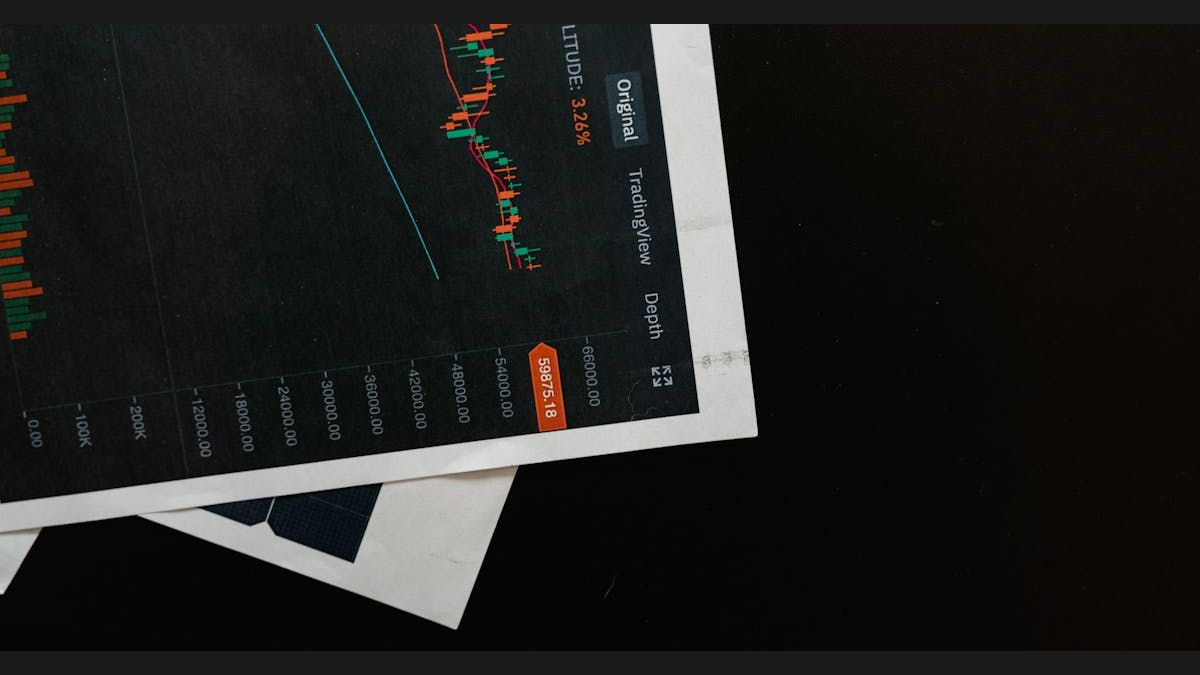
Moving averages are the foundation of technical analysis. The two most common types, the Simple Moving Average (SMA) and the Exponential Moving Average (EMA), both smooth out price data but respond to changes differently. Understanding when to use each can significantly improve your trading.
What Is an SMA?
A Simple Moving Average calculates the arithmetic mean of prices over a set period. A 20-day SMA adds up the last 20 closing prices and divides by 20. Every data point carries equal weight.
SMA is smoother and less reactive to sudden price spikes, making it useful for identifying longer-term trends.
What Is an EMA?
An Exponential Moving Average applies more weight to recent prices, making it more responsive to new information. The calculation uses a multiplier based on the period length, giving recent data exponentially more influence.
EMA reacts faster to price changes, which means it provides earlier signals but is also more prone to false signals.
Key Differences
| Feature | SMA | EMA |
|---|---|---|
| Weighting | Equal for all periods | More weight on recent prices |
| Responsiveness | Slower, smoother | Faster, more reactive |
| Lag | More lag | Less lag |
| False signals | Fewer | More |
| Best for | Long-term trends, support/resistance | Short-term trading, fast entries |
| Common periods | 50, 100, 200 | 9, 12, 21, 50 |
When to Use SMA
Use SMA when you want to identify major support and resistance levels. The 50-day and 200-day SMA are watched by institutional traders worldwide, making them self-fulfilling levels.
SMA is also better for position traders and investors who want to filter out noise and focus on the big picture.
When to Use EMA
Use EMA for shorter-term trading where you need faster signals. Day traders and swing traders prefer the 9-EMA and 21-EMA because they react quickly to price changes and help with timing entries and exits.
The EMA is also the basis for other indicators like MACD, which uses the difference between 12-EMA and 26-EMA.
The Bottom Line
Neither is universally better. SMA gives you cleaner, more reliable signals with more lag. EMA gives you faster signals with more noise. Most traders use both: EMA for entries and SMA for overall trend direction.
Frequently Asked Questions
Is EMA better than SMA?
Not always. EMA is faster and better for short-term trading. SMA is smoother and better for identifying long-term trends and key support/resistance levels.
What is the best moving average period?
For trend following: 50 and 200. For swing trading: 20 and 50. For day trading: 9 and 21. The best period depends on your timeframe.
What is a golden cross?
A golden cross occurs when the 50-day moving average crosses above the 200-day moving average, signaling a potential long-term bullish trend.
Related Tools
Part of our Technical Analysis Guide