EMA vs WMA: Comparing Weighted Moving Averages
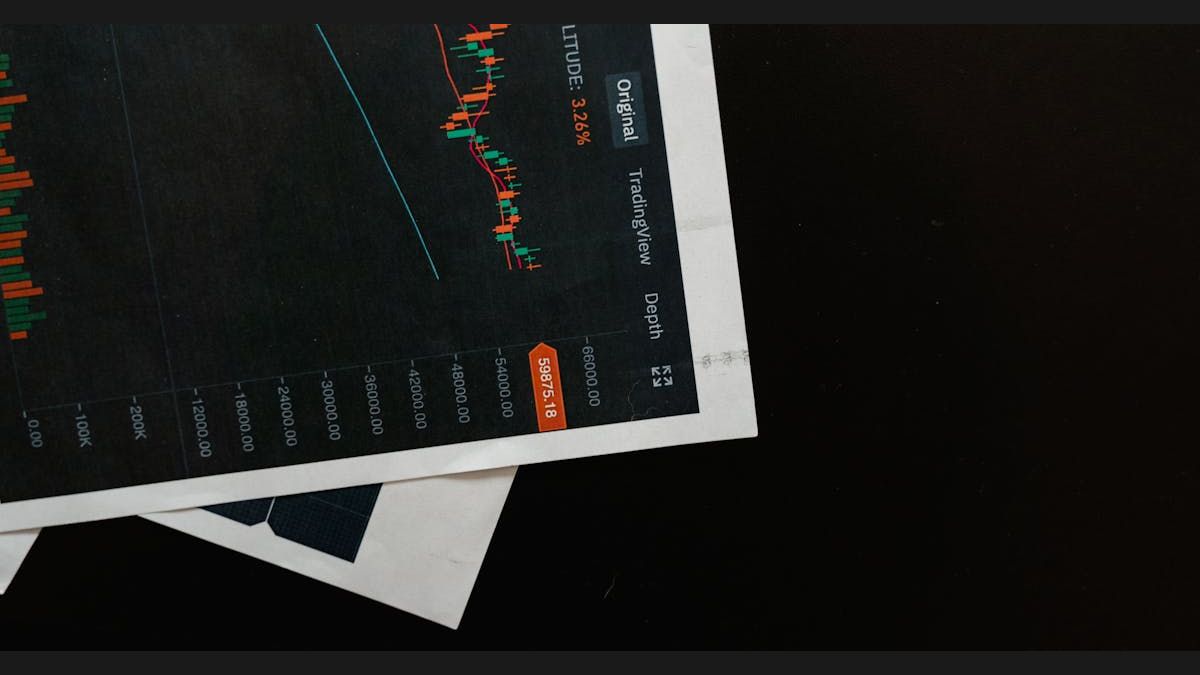
Both EMA and WMA give more weight to recent prices compared to a simple moving average, but they use different weighting methods. EMA uses an exponential decay factor while WMA uses a linear weighting. Both reduce lag compared to SMA.
Understanding the Differences
When choosing between these two approaches, consider your trading style, risk tolerance, and goals. Each has distinct advantages that make it better suited for specific situations.
When to Choose Each
The right choice depends on your experience level, capital, and market conditions. Many successful traders and investors use elements of both approaches to build a more robust strategy.
The Bottom Line
Rather than viewing this as an either/or decision, consider how each approach can complement the other in your overall strategy. Understanding both gives you more tools to work with.
Frequently Asked Questions
What is the main difference?
The core difference lies in their approach and best use cases. Understanding when each excels helps you make better decisions.
Related Tools
Part of our Technical Analysis Guide