Fundamental vs Technical Analysis: Which Is Better?
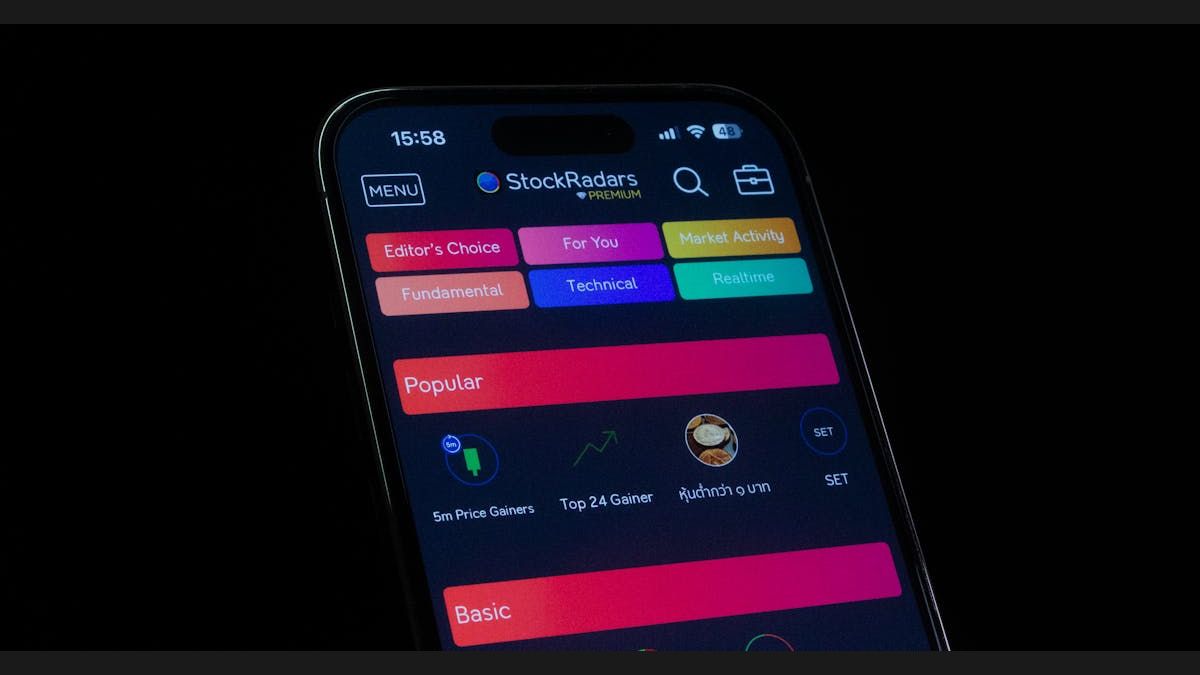
Fundamental analysis and technical analysis are the two main approaches to evaluating stocks. Fundamental analysts study a company's financials and competitive position. Technical analysts study price charts and patterns. Both have strengths, and the best approach depends on your goals and timeframe.
What Is Fundamental Analysis?
Fundamental analysis evaluates a stock by examining the underlying business. This includes revenue, earnings, profit margins, debt levels, competitive advantages, and management quality. The goal is to determine the company's intrinsic value and compare it to the current stock price.
If the intrinsic value is higher than the market price, the stock is considered undervalued and a potential buy.
What Is Technical Analysis?
Technical analysis studies historical price and volume data to predict future price movements. It uses charts, indicators, and patterns to identify trends, support/resistance levels, and potential entry and exit points.
Technical analysts believe all known information is already reflected in the price, so studying price action itself is sufficient for making trading decisions.
Key Differences
| Feature | Fundamental | Technical |
|---|---|---|
| Focus | Company value | Price action |
| Timeframe | Long-term (months to years) | Short-term (minutes to weeks) |
| Data | Financial statements, ratios | Charts, volume, indicators |
| Goal | Find undervalued stocks | Time entries and exits |
| Best for | Investors | Traders |
Combining Both Approaches
The most effective strategy combines both. Use fundamental analysis to identify what to buy (strong companies at fair prices) and technical analysis to decide when to buy (favorable chart setups and timing).
This hybrid approach is used by many professional fund managers and reduces the risk of buying a good stock at the wrong time or a bad stock at a seemingly good price.
The Bottom Line
Neither approach is objectively better. If you are a long-term investor, lean toward fundamental analysis. If you are an active trader, focus on technical analysis. For the best results, learn both and use them together.
Frequently Asked Questions
Which analysis is more reliable?
Fundamental analysis is generally more reliable for long-term investing. Technical analysis is more useful for short-term trading decisions. Both have limitations.
Can you combine fundamental and technical analysis?
Yes, and many professionals do. Use fundamentals to find quality stocks and technicals to time your entry. This approach gives you the best of both worlds.
Is technical analysis enough for trading?
Many successful traders use only technical analysis. However, being aware of upcoming earnings, economic data, or major news events (fundamental factors) helps avoid surprises.
Part of our Technical Analysis Guide